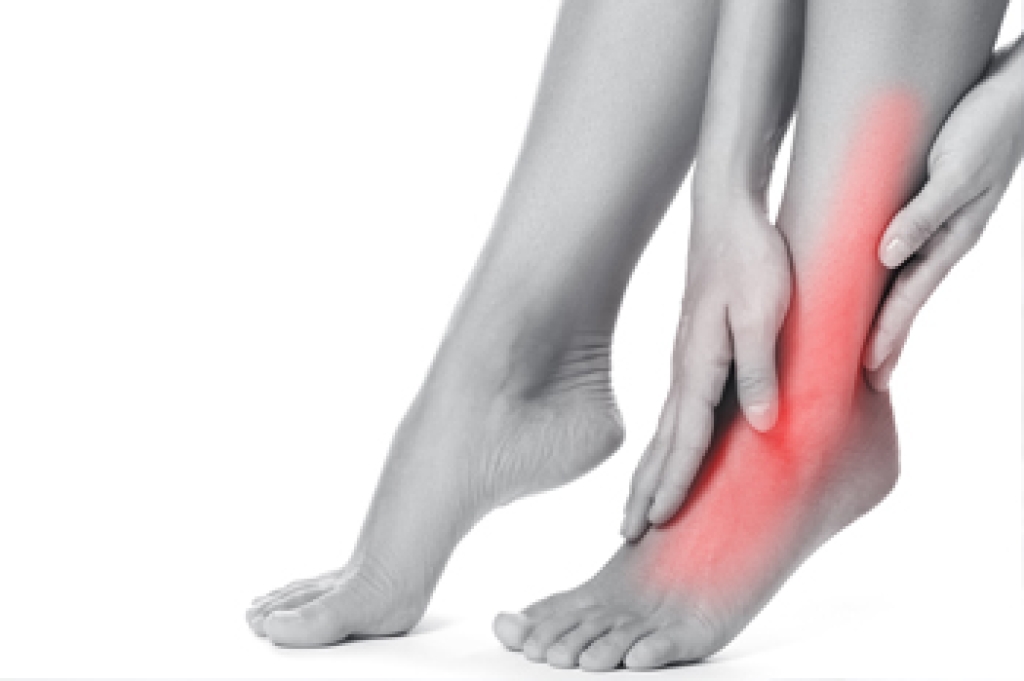
Improve Foot Function With Chiropractic Care

Foot pain can affect balance and increase the risk of falls in older adults. Healthy feet provide a stable foundation for standing, walking, and changing direction. When pain develops, people may change the way they move without realizing it. These changes can reduce stability and increase stress on the ankles, knees, hips, and lower back. Foot pain includes discomfort caused by problems affecting the bones, joints, muscles, tendons, or soft tissues of the feet. Symptoms include aching, stiffness, tenderness, swelling, and difficulty while walking. Some patients also experience slower walking speed or reduced confidence when moving. A thorough evaluation helps identify the cause of foot pain and determine how it may be contributing to balance problems.

A chiropractor evaluates how foot pain affects posture, movement, and overall body mechanics. The examination includes assessing joint motion, muscle strength, flexibility, balance, and walking patterns. A chiropractor also reviews the patient's health history and daily activities to identify factors that contribute to discomfort. Treatment includes gentle joint adjustments, soft-tissue therapy, and exercises that improve strength and stability. Care focuses on restoring healthier movement patterns and reducing stress throughout the lower body. A chiropractor may also evaluate footwear because shoes that lack proper support can affect foot mechanics and reduce stability while walking. Personalized treatment plans are based on each patient's symptoms and physical examination findings.

Research shows that foot pain in older adults is linked to reduced mobility, poorer balance, and a greater risk of falls. Addressing movement problems early can improve confidence and help patients remain active. Chiropractic care supports better joint function and body alignment, which can improve movement and reduce unnecessary strain on the feet and lower body. Regular evaluations also help monitor changes in mobility and balance. Treatment plans are personalized according to each patient's condition, activity level, and goals. Improving foot function and overall movement can support safer daily activities and better quality of life. If you have symptoms of foot pain in older adults that may contribute to falls, it is suggested that you make an appointment with a chiropractor for diagnosis and treatment.

Foot pain is a common problem that can stem from various causes, such as overuse, injury, or conditions like plantar fasciitis and flat feet. It may present as sharp, aching, or throbbing sensations, often making daily activities like walking or standing uncomfortable. Poor alignment of the foot and ankle can lead to additional strain on surrounding muscles and joints, worsening the problem. Left untreated, foot pain can interfere with mobility and overall quality of life.
Chiropractors take a holistic approach to addressing foot pain. By assessing posture, gait, and foot structure, they can identify underlying imbalances contributing to discomfort. Treatment often includes gentle joint adjustments to restore proper alignment, soft tissue therapies to ease tension, and custom exercises to strengthen the affected area. Chiropractic care aims to resolve the root causes of foot pain and improve function naturally.

1. How does foot pain relate to issues in the back or hips?
Foot pain can often be a symptom of biomechanical issues higher up the kinetic chain, such as misalignments in the hips or lower back. Chiropractors assess these connections to treat the root cause.
2. Do chiropractors treat conditions like plantar fasciitis differently from podiatrists?
Chiropractors focus on whole-body alignment, addressing how foot pain may stem from or contribute to imbalances in the spine or posture, complementing podiatric approaches.
3. Can chiropractic care improve my walking or running gait?
Yes, by correcting misalignments and improving joint function, chiropractic care can enhance gait mechanics, reducing strain and preventing future foot pain.
If you have any questions please feel free to contact our office located in Sugar Land, TX
 

Read more about Foot Pain

Sciatica Symptoms During Pregnancy

Pregnancy brings many changes to the body, and some of those changes can place added pressure on the sciatic nerve. This large nerve travels from the lower back through the hips and down each leg. When it becomes irritated, it can cause pain that begins in the lower back or buttock and travels into the leg. Some women describe the discomfort as sharp or burning, while others notice numbness or tingling. Pregnancy-related weight gain, changes in posture, and the growing baby can all contribute to extra pressure on nearby muscles and nerves. Although sciatica is not experienced by every expectant mother, it can make standing, walking, or changing positions much more difficult. A professional evaluation is important to determine whether sciatica is causing these symptoms and to identify appropriate treatment options.


Every pregnancy is different, so care should be tailored to the patient's specific needs and stage of pregnancy. A chiropractor begins by evaluating posture, spinal movement, and joint function to understand how pregnancy is affecting the lower back and pelvis. Gentle chiropractic adjustments that are appropriate for pregnancy may help improve joint mobility, reduce stress on the sciatic nerve, and support healthier movement. Treatment plans may also include therapies that improve flexibility, encourage proper body mechanics, and promote musculoskeletal function. Rather than focusing only on temporary symptom relief, chiropractic care aims to improve overall movement while helping reduce pressure that contributes to pregnancy-related sciatica. Many chiropractors receive additional training in caring for pregnant patients and use techniques designed for their comfort and safety.


Sciatica during pregnancy can interfere with work, sleep, and everyday activities as pregnancy progresses. Early evaluation may help improve comfort while supporting better mobility throughout pregnancy. Chiropractic care offers a personalized, non-invasive approach that focuses on relieving nerve-related discomfort and promoting spinal health. If you are experiencing symptoms of sciatica during your pregnancy, it is suggested that you consult a chiropractor for an evaluation and appropriate relief and treatment options.

Pregnancy is a transformative experience, but the physical changes can bring challenges like low back pain, leg pain, and sciatica. These discomforts often result from the extra weight and shifts in the body’s center of gravity, placing stress on the spine and pelvis.

Chiropractic care provides a gentle, non-invasive approach to managing these symptoms. Specialized techniques for pregnant individuals help realign the spine and reduce pressure on the nerves, addressing sciatica and related leg pain. Adjustments also promote proper pelvic alignment, potentially easing tension and enhancing mobility.

Beyond pain relief, chiropractic care supports overall wellness, improving posture and helping the body prepare for childbirth. Many find that regular visits reduce discomfort and improve quality of life throughout pregnancy.

1. Is it safe to see a chiropractor in the first trimester?
Absolutely. Prenatally-trained chiropractors use gentle, specific techniques suitable for every stage of pregnancy, including the first trimester.

2. Can chiropractic adjustments reduce swelling in my feet and ankles?
While chiropractic care does not directly treat swelling, improving circulation through spinal alignment can support your body’s natural fluid drainage, potentially easing swelling.

For additional information, please contact our office located in Sugar Land, TX
 

Read more about Pregnancy/Lower Back Pain/Leg Pain/Sciatica

Relieve Pain After Auto Accidents

If you are sore, stiff, or out of alignment after a car accident, you may be dealing with an injury to your spine, neck, or back. Even minor collisions can affect how your joints and muscles move, causing pain or limited mobility. Adjustments can support your recovery. 

Recover from accident-related pain. Call today for an appointment.

Chiropractic Care for Golfer's Elbow

Golfer's elbow is a painful condition that affects the tendons attached to the inside of the elbow. Tendons are strong bands of tissue that connect muscles to bones and help create movement. Despite its name, golfer's elbow can affect people who have never played golf. Repeated gripping, lifting, or wrist movements can strain the tendons and lead to pain. The discomfort usually develops on the inside of the elbow and can spread into the forearm or wrist. Some people also notice weaker grip strength or stiffness when using the arm. A chiropractor can evaluate the elbow and determine whether golfer's elbow or another condition is causing the symptoms.

Repeated stress on the tendons is the leading cause of golfer's elbow. Golf, manual labor, and repetitive hand movements can place extra strain on the elbow. Using hand tools for long periods and repeated lifting can also contribute to the condition. A chiropractor reviews your medical history and performs a physical examination to evaluate elbow movement, muscle strength, and flexibility. The examination also helps identify activities that increase pain. Imaging tests, like X-rays or magnetic resonance imaging, also called MRI scans, help rule out other conditions when more information is needed. Finding the source of the pain allows treatment to focus on the affected tissues and support recovery.

Treatment depends on the severity of the symptoms and how much they affect daily activities. A chiropractor can use gentle joint adjustments when they are appropriate and safe for the patient's condition. Other treatments include soft tissue therapy, guided exercises, and stretching techniques that improve flexibility and support healthier movement. A chiropractor also recommends changes that reduce stress on the elbow during work, sports, and everyday activities. Early treatment helps reduce discomfort, improve grip strength, and restore normal arm function. If you have symptoms of golfer's elbow, it is suggested that you schedule an appointment with a chiropractor for a diagnosis and appropriate treatment.

Tennis and Golfer's Elbow

Tennis and golfer's elbow, or medial epicondylitis, is a condition caused by inflammation or irritation of the tendons on the inner side of the elbow. Despite its name, this condition is not limited to golfers and tennis players. It can affect anyone engaging in repetitive wrist or forearm motions, such as throwing, lifting, or typing. Symptoms include pain, tenderness, and stiffness on the inner elbow, sometimes extending into the forearm. Weak grip strength and difficulty with everyday tasks are common complaints.

Chiropractic care can play a role in managing golfer's elbow by addressing muscle tension and improving joint function. Gentle adjustments may reduce strain on the affected area, while soft tissue therapies and stretching techniques can help alleviate discomfort and promote healing. Chiropractors may also provide advice on modifying activities to reduce stress on the tendons, offering a holistic approach to recovery and prevention.

1. Can tennis or golfer’s elbow occur without playing sports?

Yes, these conditions are often caused by repetitive motions like typing, lifting, or using tools. Chiropractors can assess and treat the root causes of these repetitive strain injuries.

2. Should I avoid chiropractic care during the acute phase of tennis or golfer's elbow?
Gentle adjustments and soft tissue techniques can still be beneficial, reducing inflammation and improving mobility without aggravating the injury.

For additional information, please contact our office located in Sugar Land, TX
 

Read more about Tennis and Golfer’s Elbow

Carpal Tunnel Pain and How Chiropractic Care Can Help

Carpal tunnel pain develops when the median nerve, one of the main nerves that provides feeling and movement in the hand, becomes compressed as it passes through a narrow space in the wrist called the carpal tunnel. This pressure can interfere with normal nerve function and make everyday tasks more difficult. Repeated hand movements, wrist injuries, and certain health conditions can all contribute to the problem. Jobs or hobbies that require frequent gripping or repetitive wrist motions can also increase stress on the wrist. Early recognition of the condition is important because untreated nerve compression can lead to worsening symptoms and reduced hand function.

The symptoms of carpal tunnel can begin gradually or become more noticeable after repetitive hand use. Many people experience numbness, tingling, or pain in the thumb, index finger, and middle finger. Others notice weakness that makes it harder to grip objects or perform detailed tasks. Symptoms sometimes become more noticeable at night or after activities that keep the wrist in one position for a long time. As the condition progresses, discomfort can spread into the forearm and affect normal hand movement. A careful examination helps determine whether the symptoms result from carpal tunnel syndrome or another condition affecting the wrist, arm, or neck. An accurate diagnosis helps guide the most appropriate treatment plan.

A chiropractor evaluates carpal tunnel pain by reviewing your medical history, discussing your symptoms, and performing a physical examination. Diagnostic imaging or nerve testing can be recommended when appropriate to better understand the condition. Chiropractic care includes gentle adjustments to the wrist, hand, and spine when suitable, along with soft-tissue therapy to improve joint movement and reduce pressure on the affected nerve. Care also focuses on restoring function, improving flexibility, and helping patients perform daily activities with greater comfort. If you have symptoms of carpal tunnel syndrome, it is suggested that you make an appointment with a chiropractor for diagnosis and treatment.

Carpal Tunnel Syndrome

Carpal tunnel syndrome, or CTS, is a condition caused by compression of the median nerve, which runs through the carpal tunnel in the wrist. This tunnel is a narrow passageway surrounded by bones and ligaments, and when it becomes compressed or inflamed, it can put pressure on the nerve. Symptoms of CTS include tingling, numbness, weakness, and pain in the hand and fingers, often making simple tasks difficult and uncomfortable.

Chiropractic care offers a non-invasive approach to managing CTS by addressing alignment and reducing nerve pressure. Chiropractors start by evaluating the wrist, elbow, and even the cervical spine or neck, as misalignments in these areas can contribute to nerve compression in the wrist. Through gentle adjustments, chiropractors can improve the alignment of the wrist and spine, helping to reduce the pressure on the median nerve.

In addition to adjustments, chiropractors may use soft tissue therapy, such as stretching and myofascial release, to reduce inflammation surrounding the wrist and enhance mobility.

Why Consider Chiropractic for CTS?

Chiropractic care can provide lasting relief by targeting the root causes of CTS, reducing pain, and promoting long-term hand and wrist health.

Can Chiropractic Care Address Repetitive Strain as a Cause of CTS?

Chiropractic care can help manage repetitive strain by improving joint alignment and recommending ergonomic adjustments.

If you have any questions, please feel free to contact our office located in Sugar Land, TX .

 

Read more about Carpal Tunnel Syndrome
Advanced Podiatric Procedures & Services in the Fort Bend County, TX: Sugar Land, Missouri City, Stafford, Fulshear, Rosenberg, Katy, Arcola, Richmond, Needville, Harris County, TX: Houston, Alief, Mission Bend, Brazoria County, TX: Pearland, Manvel, Waller County, TX: Fulshear, Katy areas
Request Appointment