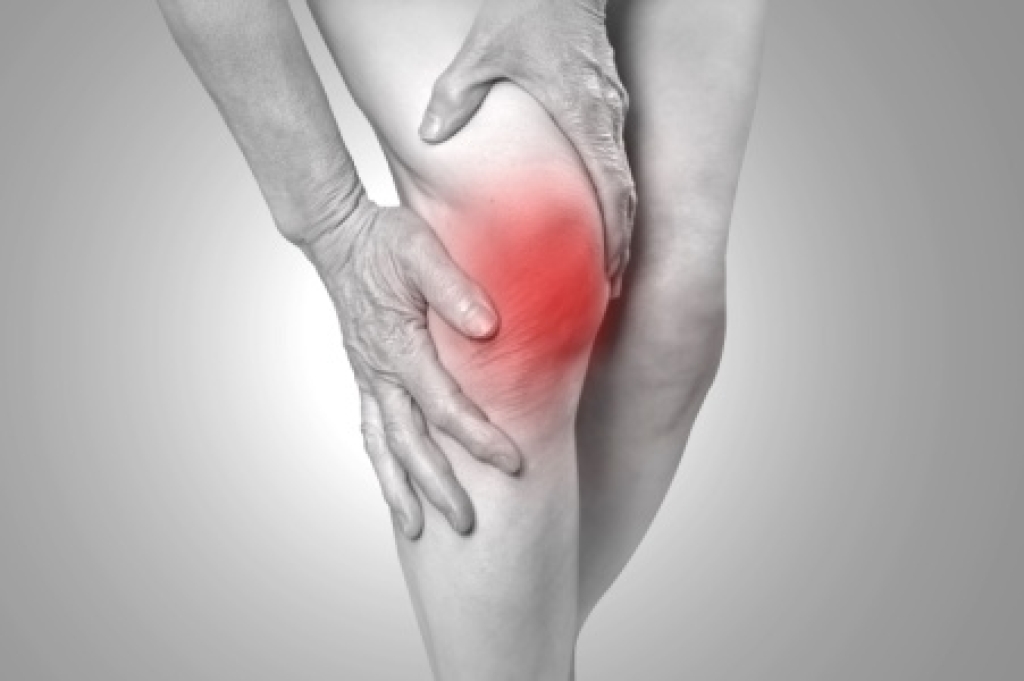
Knee pain is a common condition that affects people of all ages and activity levels. It is defined as discomfort or inflammation within the knee joint or surrounding soft tissue. The knee plays a critical role in weight bearing and movement, making it vulnerable to strain from repetitive actions. Activities such as squatting, kneeling, climbing stairs, and frequent ladder use can place ongoing stress on the joint. Over time, this stress may lead to irritation, reduced mobility, and chronic discomfort if not properly addressed.
Symptoms of knee pain can vary depending on the underlying cause. Many individuals experience a dull ache that worsens with movement, while others report sharp pain during specific activities. Swelling, stiffness, and difficulty bending or straightening the knee are also common. Some people notice instability or a feeling that the knee may give out during use. Pain may increase when going up or down stairs or after long periods of activity.
Risk factors for knee pain include repetitive strain and improper movement patterns. Occupations that require frequent kneeling, squatting, or ladder climbing increase the likelihood of joint stress. Weak muscles surrounding the knee can reduce stability and increase pressure on the joint. Age related wear, poor posture, and lack of flexibility can also contribute to discomfort. Carrying excess body weight may further increase strain on the knee during daily activities.
Managing knee pain involves reducing stress on the joint and improving overall movement mechanics. Strengthening exercises, proper body alignment, and activity modification can help support recovery. Early care can prevent minor irritation from progressing into a more serious condition. If you have knee pain, it is suggested that you consult a chiropractor who can determine the cause and guide you toward appropriate treatment solutions.
Knee Pain
Knee pain is a frequent complaint that can arise from injuries, overuse, arthritis, or misalignments in the body. This pain can disrupt daily life, limiting movement and impacting quality of life. Knee discomfort often develops when the body’s structural alignment is off, which places extra strain on the knee joint and surrounding muscles and ligaments.
Chiropractic care focuses on reducing knee pain by assessing and addressing alignment throughout the lower body. Gentle adjustments may be used to realign the knee and correct imbalances in the hip, pelvis, and spine that contribute to excessive knee stress. Restoring alignment in these areas can relieve pressure on the joint, ease pain, and promote improved mobility.
To support these adjustments, chiropractors often incorporate exercises, stretches, and lifestyle guidance to improve strength and flexibility around the knee. Strengthening muscles surrounding the joint can offer additional stability, helping to prevent future injuries.
Is knee pain treatment going to be painful?
Patients may worry that adjustments or other treatments will hurt. Chiropractors reassure patients that the techniques used are generally gentle, with any discomfort being mild and short-lived. They work within the patient’s pain tolerance.
How many sessions will I need?
Frequency and number of sessions depend on the pain’s severity and the patient’s response to treatment. Chiropractors often suggest a treatment plan tailored to the individual, sometimes starting with frequent visits and tapering as improvement occurs.
If you have any questions please feel free to contact our office located in Sugar Land, TX .
